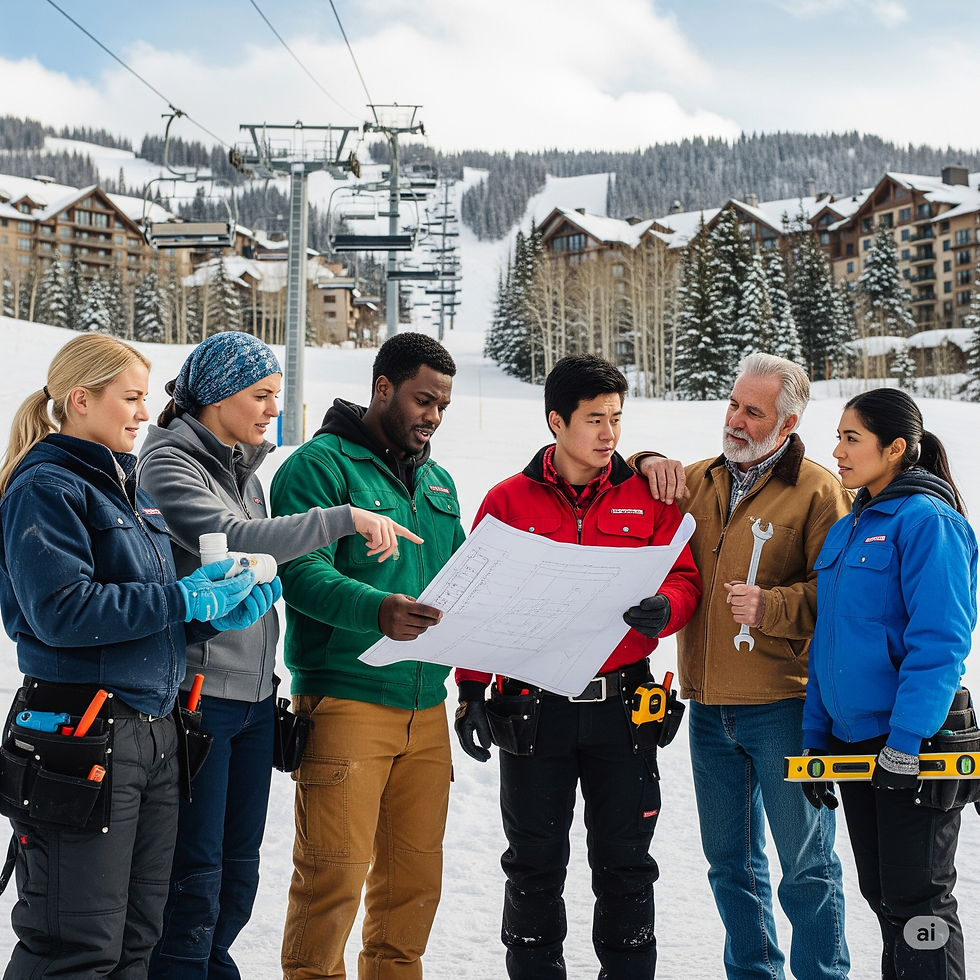
Are you wondering what you need to consider when hiring international seasonal workers? Here you will find the most important information and differences to consider if your company wants to employ workers from the European Union or third countries.
Seasonal workers from EU member states
People from European Union countries (as well as from the European Economic Area and Switzerland) have the right to freedom of movement within the EU. This means:
No work permit required
EU citizens can work in other EU countries without additional permits – even during seasonal activities. The registration procedures (e.g., social security, tax, payroll accounting) are largely the same as those for domestic workers.
No visa required
Entry and commencement of work are possible at any time. Depending on the country and length of stay, registration with the local authorities may be required.
Seasonal workers from third countries
Stricter regulations apply to people from third countries, which may vary slightly depending on the destination country – the country where the seasonal job is performed – but generally include the following points:
Visa requirement
In most cases, third-country nationals require a visa or residence permit to take up employment. A tourist visa is not sufficient. Depending on the country, the employer may also be required to organize or finance accommodation, insurance, or the employee's return journey.
Employment contract in advance
Most countries require that a binding employment contract be in place before entry. For the application for a seasonal work permit to be complete, it must include the following points:
Work locations and a description of the job
Start and end of the employment relationship
Agreed salary or agreed wage
Working hours per week or month (number of hours)
Entitlement to paid vacation and its duration
Proof of suitable accommodation for the duration of the stay – either provided by the employer or organized separately
Once the complete application has been received, the competent authorities have up to 90 days to decide whether to grant the permit.
What companies should bear in mind
Planning
Hiring third-country nationals requires lead time, particularly due to visa and permit processes. Although similar basic rules apply across the EU, the specific procedures vary from country to country. It is therefore necessary to obtain the relevant information from the competent national labor authorities or immigration offices.
Transparent communication
Make sure that employment contracts and information materials are understandable and available in a language that workers understand.
Equal conditions
Legal minimum standards also apply to seasonal workers—for example, in terms of wages, working hours, and occupational safety.
If you would like to learn more about how attractive you are as an employer, please click here.
© WinterSummerJobs by AI

© WinterSummerJobs by AI